







Search Results for: Milk Washing Technique

What is the principle behind milk-washed coffee? How to make a clarified latte with milk and espresso, plus the method and recipe ratios
When most people think of a combination of milk and espresso, the first things that come to mind are classic milk coffees with milk foam, such as lattes and cappuccinos. But the same ingredients, processed with a different method, can take on a completely different appearance and texture. This article introduces a technique called "milk washing"—using the principle that casein coagulates when milk meets acid to remove the fat and protein particles from milk, leaving behind a transparent whey liquid. This time, Front Street Coffee's approach differs from the usual one: during the clarification process, espresso is added directly, so that the entire drink is clarified together, resulting in a "special latte" that looks similar to pour-over coffee but has rich, layered flavors. The article will explain in detail the required materials, recipe ratios, and step-by-step instructions, making it a useful reference for enthusiasts who want to try making specialty coffee at home. [more…]

Analysis of the Oil-Washed Coffee Technique: From Principle to Practice, How Butter and Coconut Oil Reshape Coffee Flavor
The oil-washing method originated in the cocktail world and has now been introduced into the specialty coffee scene, becoming a new favorite among many coffee enthusiasts. It exploits differences in the freezing points of oils and fats to extract aromas from the oils into the coffee liquid, thereby giving the coffee a softer mouthfeel and richer layers of flavor. In this article, Front Street will walk through the origins of the oil-washing method, material selection, step-by-step procedures, and precautions one by one, and will use butter oil-washed Golden Mandheling and coconut oil-washed cold brew coffee as examples to demonstrate the specific production process in detail. Whether you want to DIY at home or want to understand the logic behind those oil-washed specialty drinks in coffee shops, this article can provide practical reference. [more…]

Can Milk Become Transparent? Decoding the Craft, Applications, and Market Prospects of Clarified Coffee
In the past two years, a peculiar category of drinks has emerged in the world of coffee specialties: they clearly contain milk, yet appear crystal clear and transparent—these are clarified coffee and transparent lattes. The clarification technique originated in the cocktail world as "milk washing," and has now been adopted by baristas in the development of creative beverages. This article will start with the principles behind clarified milk, trace its journey into the coffee scene, share a method for recreating it, and objectively analyze whether clarified coffee can become a new trend in the specialty drinks market, while also exploring its challenges regarding cost and scalability. [more…]

Unveiling Milk Clarification: Transparent Latte Flavor Test and Complete Brewing Guide
At the 2021 World Coffee in Good Spirits Championship, clarified milk made a stunning appearance, but it has still not entered the coffee market on a large scale, and can only be encountered occasionally in a few specialty coffee shops. How exactly is this "milk," which looks as clear as water, made? And what would a latte made with it taste like? Front Street Coffee decided to conduct an experiment firsthand, starting from the principle of milk clarification, step by step using lemon juice and milk to make transparent milk, then trying three methods respectively—drinking it directly, adding it to espresso, and adding sugar to neutralize the sourness—for a comprehensive review of the true flavor of clarified milk latte. If you are interested in specialty coffee creations and innovative ingredients, this hands-on test record will give you a direct answer. [more…]

Espresso Special Milk-Washed Latte Making Guide: Ingredient Ratios, Step-by-Step Details, and Practical Recipe
Milk washing is a process that involves mixing an acidic ingredient with milk to curdle the casein, then filtering out a transparent milk serum. Thanks to its striking visual presentation and unique mouthfeel, it is used by many coffee shops in the making of specialty coffee drinks. However, although the process is not complicated, there are quite a few details to pay attention to. If you simply add an acidic substance and coffee directly to milk, the resulting clarified liquid is often difficult to drink as is. To make a good-tasting milk-washed coffee, in addition to the basic ingredients, flavoring components such as sugar are needed to balance the acidity, while the choice of coffee beans, the usage ratio, and the steeping time will all significantly affect the final flavor. This article will cover the ingredients, steps, and recipes for milk washing, and share Front Street Coffee's specific recommendations on bean selection. [more…]

Moka Pot Operation Guide: Detailed Explanation of Coffee and Water Ratios and Brewing Steps
Although the moka pot has "mocha" in its name, it has nothing to do with mocha coffee beans or chocolate flavor. It originated from the inspiration that the Italian Alfonso Bialetti drew from the design of a washing machine, and since its introduction in 1933, it has become a classic tool for quickly making espresso at home. This article provides a detailed introduction to the complete operation process of the moka pot, including the amount of water, the amount of coffee grounds, the technique for loading the grounds, the timing for heating and stopping, as well as the subsequent tasting and drinking methods. At the same time, Front Street Coffee recommends a variety of coffee beans suitable for the moka pot according to different flavor preferences, from rich nutty notes to floral and fruity acidity and sweetness, helping you easily make a cup of moka pot coffee with rich crema and a full-bodied taste at home. [more…]

How to brew Yirgacheffe coffee beans? Luckin Yirgacheffe SOE Americano standard recipe and flavor analysis
Yirgacheffe is a representative producing region for specialty coffee in Ethiopia, known for its citrus acidity, white floral aromas, and honeyed sweetness. Front Street Coffee sells a variety of Yirgacheffe coffee beans, using a medium-light roast, suitable for pour-over, cold brew, and many other methods. This article provides a detailed analysis of Yirgacheffe's washed processing method, pour-over parameters, and flavor performance, and shares the standard steps used by Front Street Coffee baristas to make SOE espresso and iced Americano, including the coffee-to-liquid ratio, extraction time, and specific operations, helping coffee lovers replicate a delicious Yirgacheffe SOE Americano in-store or at home. [more…]
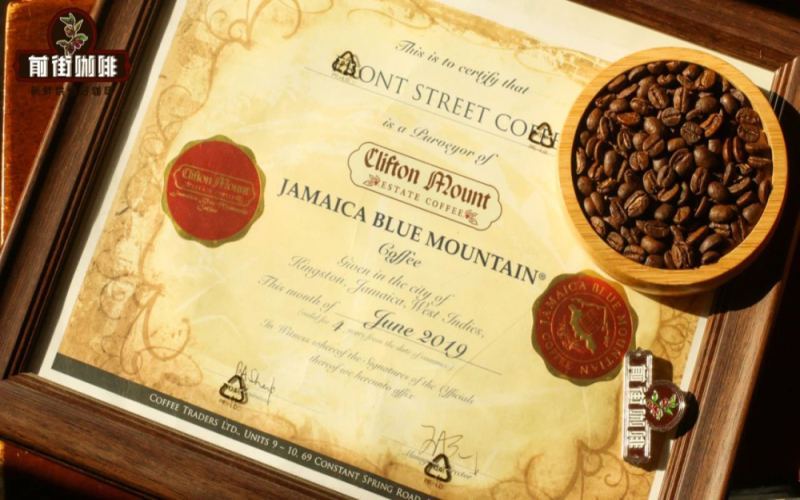
Blue Mountain Coffee Pour-Over Coffee-to-Water Ratio and Extraction Parameters Explained: Front Street Blue Mountain No.1 Brewing Method and SOE Preparation Sharing
Jamaican Blue Mountain coffee, as a classic representative of specialty coffee, has always drawn attention for its brewing methods. This article takes Front Street Jamaican Blue Mountain coffee as an example to introduce in detail the grade classification and processing techniques of this washed Typica variety, and shares the complete parameters for Kono dripper pour-over—including coffee dose, water temperature, grind size, coffee-to-water ratio, and pouring technique. In addition, it will also cover the extraction recipe for Blue Mountain SOE, as well as the production details of Blue Mountain Americano and Blue Mountain Latte, helping coffee enthusiasts recreate the full-bodied, richly layered sweetness of Blue Mountain coffee at home. [more…]
A Detailed Guide to Seven Extraction Methods for Jamaican Blue Mountain Coffee: A Complete Brewing Guide for Front Street Blue Mountain No. 1 from Espresso to Cold Drip
Jamaican Blue Mountain coffee is renowned for its clean, mild character and balanced acidity, sweetness, and bitterness. The Front Street Blue Mountain No. 1 coffee beans produced by FrontStreet Coffee come from Clifton Estate—an old farm with Rainforest Alliance certification. This article will start with basic knowledge such as the origin background, grade standards, and washed processing, and systematically outline seven brewing methods for Blue Mountain No. 1, covering espresso, pour-over, siphon, AeroPress, French press, cold drip, and Japanese iced pour-over, along with the parameters, techniques, and flavor performance of each method, helping coffee lovers fully explore the diverse possibilities of this bean in daily life. [more…]

A Comprehensive Analysis of the Diverse Brewing Methods and Pour-Over Flavor Characteristics of Kenyan Coffee Beans
Kenyan coffee, with its bright and full-bodied juicy character and deep berry-like sweetness and acidity, has become a favorite among many who love acidic coffee. The Kenyan coffee beans launched by Front Street Coffee come from the Thika region, use SL28 and SL34 varieties, and are processed using the Kenyan-style 72-hour washed method, presenting dark fruit notes such as black plum and dark plum. This bean is not only suitable for pour-over, but also works well with cold brew, moka pot, French press, and even coffee machines and other extraction methods. This article will unfold one by one around the variety background, origin terroir, K72 processing technique, green bean grading, and the specific operating details and flavor performance of pour-over and moka pot for Front Street Coffee's Kenyan coffee, helping coffee lovers more comprehensively understand the charm of this bean. [more…]

The Truth About Cappuccino Ratios: 1:1:1 Is Not the Standard—Milk Foam Thickness and the Golden Ring Are What Really Matter
Is the espresso, milk, and milk foam ratio in a cappuccino really 1:1:1? This widely circulated formula is actually not the WBC standard. Front Street Coffee once replicated and verified it, and found that the high proportion of coffee led to a strong, bitter taste and poor integration. Starting from the WBC competition rules, this article sorts out the origin of the cappuccino and the "coffee golden circle" tradition, explains why it is not suitable for latte art, and breaks down in detail the process of making a qualified cappuccino—from choosing a 180ml tulip cup and the extraction parameters for Front Street Coffee Sunflower Warm Sun coffee beans, to steaming refrigerated fresh milk into a 1.5cm thick milk foam and the pouring technique that protects the crema, helping you make an authentic cappuccino with milk foam rising above the cup rim without collapsing. [more…]
How to Fix Sour Blue Mountain Coffee When Brewing? A Comprehensive Analysis of Seven Brewing Methods and Techniques
How should you brew Front Street Blue Mountain Coffee to make it taste good after buying it home? This article compiles seven extraction methods suitable for Front Street Blue Mountain Coffee, from espresso, latte, and Americano, to various pour-over drippers, siphon, AeroPress, French press, cold drip, and Japanese iced pour-over. Each method provides specific coffee dose, water temperature, grind size, water-to-coffee ratio, and brewing steps. If you feel that the Blue Mountain Coffee you brew tastes too sour, the key issue often lies in the extraction method and parameter combination, as different brewers vary greatly in how they present acidity, sweetness, and bitterness. The article also compares the flavor differences between the Kalita扇形, cake cup, Kono, and V60 drippers, as well as the mouthfeel changes in siphon brewing when adding coffee grounds first versus later, making it easier for coffee enthusiasts to choose a suitable method according to their taste preferences. [more…]

African Coffee | What Are the Differences Between Ethiopian and Kenyan Coffee Varieties? An Introduction to the Processing Methods, Flavor, and Taste Characteristics of Ethiopian and Kenyan Coffee
Ethiopia and Kenya, Africa's renowned coffee-producing countries, are highly celebrated in the specialty coffee world. The coffee flavors from both regions are predominantly fruit-acid oriented, but the difference lies in that Ethiopian coffee features a bright, uplifting acidity with a clean and refreshing mouthfeel, while Kenyan coffee exhibits berry fruit [more…]

How to brew Jamaican Blue Mountain coffee for the best taste? A complete guide from bean grades to 7 brewing methods
Blue Mountain coffee is famous for its scarce production and high price, but products sold under the "Blue Mountain" name on the market are a mix of genuine and fake. This article first helps you understand the origin certification, grading system, and estate system of authentic Jamaican Blue Mountain coffee, then breaks down in detail seven brewing methods for Front Street Blue Mountain No. 1 coffee beans—espresso, pour-over, siphon, AeroPress, French press, cold drip, and Japanese iced pour-over. Each method comes with parameters and flavor descriptions, making it easy for coffee lovers to choose according to their own taste. [more…]

Where does coffee body come from? Master the coffee-to-water ratio, brewing time, and dripper choice to brew a rich, full-bodied cup.
When tasting coffee, we often describe a good cup as "rich" or "sweet," but what exactly is richness? What is mellowness? And where does the difference between the two lie? In fact, this is closely related to the coffee's "body." Body refers to the sense of weight that the coffee liquid presents in the mouth—is it light as water, or thick as milk? This article will systematically explain how to brew a rich, full-bodied cup of coffee from five aspects: choice of roast level, coffee-to-water ratio, brewing time, dripper selection, and pouring technique, and will recommend a number of dark-roast coffee beans suited to those pursuing a heavy, substantial flavor. [more…]
A Comprehensive Analysis of Ethiopian Natural G1 Huakui Coffee: A Brewing Guide from Pour-Over to Espresso SOE
Hawaii Coffee, with its distinct floral and fruity aroma and full juice-like body, enjoys great popularity in the specialty coffee circle. This naturally processed G1 bean from the Hambela region of Ethiopia is not only suitable for pour-over, cold brew, and other brewing methods, but can also be used for espresso SOE and moka pot extraction. Front Street Coffee has launched two Hawaii products for different methods, corresponding to two profiles—medium-light roast and medium roast—to meet diverse brewing needs. This article will walk you through the origin of the name Hawaii, its flavor characteristics, and provide a detailed breakdown of the standard parameters and operating steps for pour-over and espresso, helping you better bring out the layers and sweetness of this bean. [more…]

What are the flavor differences between SOE and blended coffee? An analysis of the taste of Yirgacheffe SOE americano and key preparation points
Customers who regularly come to Front Street for coffee always ask: Do you have beans to choose from for espresso? Can you make single-origin coffee? In fact, this points to an important concept behind it all—SOE (Single Origin Espresso). What exactly is the difference in flavor between SOE and blended coffee? Is Yirgacheffe SOE Americano actually good? Starting from Front Street Coffee's production experience, this article systematically sorts out the definition of SOE, its differences from blended beans, the flavor performance of Yirgacheffe SOE, and the roasting choices and extraction parameters to note when making SOE at home, helping coffee enthusiasts more clearly understand this form of espresso that has gradually become popular in China in recent years. [more…]
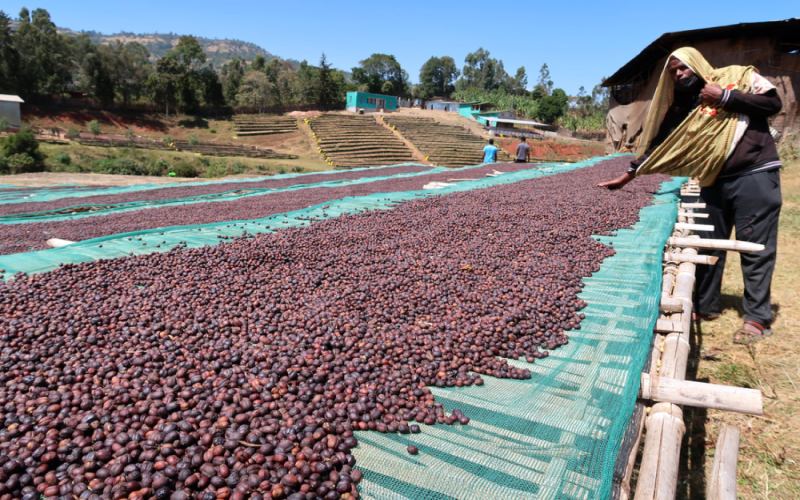
A Comprehensive Guide to Yirgacheffe Coffee Beans: Flavor Characteristics, Roasting Techniques, Origin Information, and Producing Region and Estate Distribution
Yirgacheffe is one of Ethiopia's most representative specialty coffee regions, renowned worldwide for its bright floral and fruity aromas and smooth citric acidity. This article provides a comprehensive analysis of the flavor characteristics and quality grading system of Yirgacheffe coffee beans, covering the region's background, differences in processing methods, roasting curve recommendations, and the distribution of sub-regions such as Kochere. It also uses specific products like Front Street Coffee's Natural Red Cherry to illustrate the aromatic differences brought about by washed and natural processing methods, helping coffee enthusiasts gain a deeper understanding of this region hailed as the "Queen of Coffee." [more…]
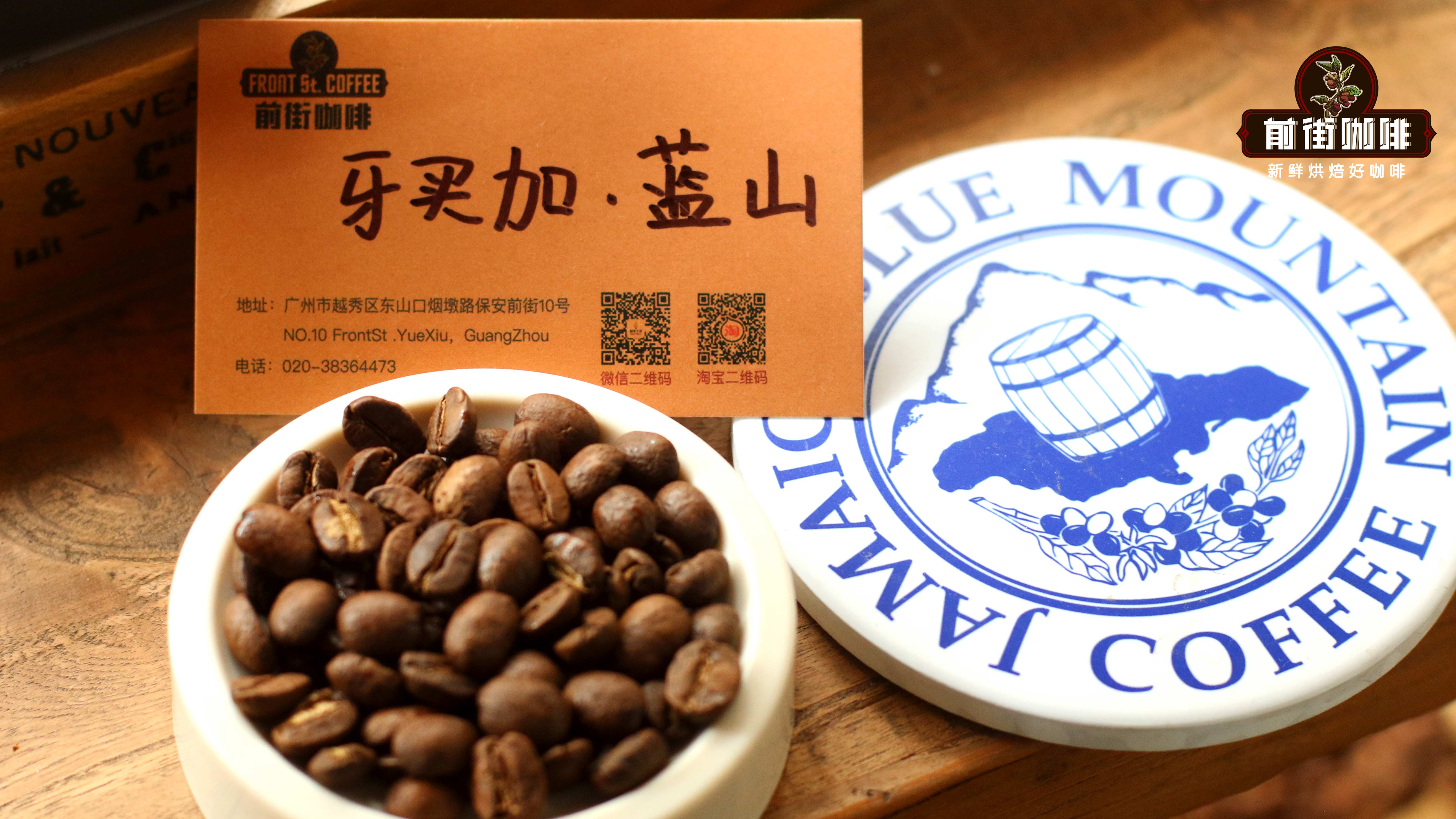
A Comprehensive Analysis of Jamaican Blue Mountain Coffee: From Production Region and Grades to Practical Brewing Guides for Espresso and Pour-Over
Blue Mountain coffee, as Jamaica's most representative specialty coffee, is world-renowned for the elegant flavors of the Typica variety and its strict grading system. This article begins with the historical origins of the Blue Mountain region, the washed processing method, and the CIB grading standards, then introduces the identifying characteristics of Blue Mountain No. 1 coffee beans, and shares in detail Front Street Blue Mountain No. 1 brewing recipes for espresso, latte, americano, as well as pour-over methods using three drippers—KONO, Kalita, and V60—helping you fully master this bean's flavor expression and brewing techniques. [more…]
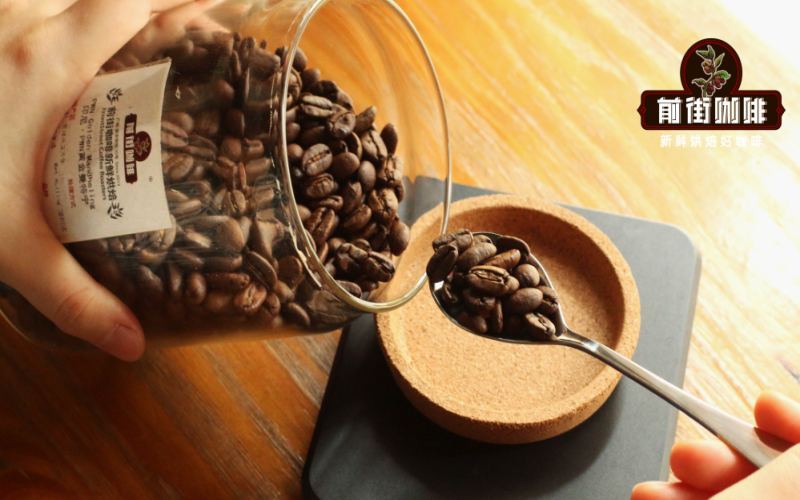
The Complete Guide to Home Coffee Brewing: A Detailed Explanation of Espresso, Pour-Over, Siphon, Moka Pot, and Other Common Methods
Want to easily make a good cup of coffee at home, but don't know which brewing device to start with? Front Street Coffee has recently welcomed quite a few new customers who are no longer satisfied with simply drinking coffee, but instead want to master different extraction methods. This article systematically sorts out commonly used home coffee brewing methods, covering espresso, pour-over single-origin, drip bags, siphon, moka pot, cold drip, AeroPress, French press, and the Clever Cup, along with equipment selection, operating points, and flavor characteristics. It also introduces the specific flavor performance of several of Front Street's espresso blends, helping coffee lovers, on the basis of understanding the principles, find a brewing solution that suits their own taste and pace. [more…]